
Why a Plant Care Journal Changes Everything
By Planthead Team · Aug 13, 2026
Most of us don't kill plants on purpose. We kill them by forgetting. You water the monstera because it looks a bit sad, then water it again four days later because you can't remember whether you already did. Two months later the roots have quietly turned to mush and you're standing over a pot of soil wondering what went wrong.
A plant care journal fixes that — not with more effort, but with memory.
What a plant care journal actually is
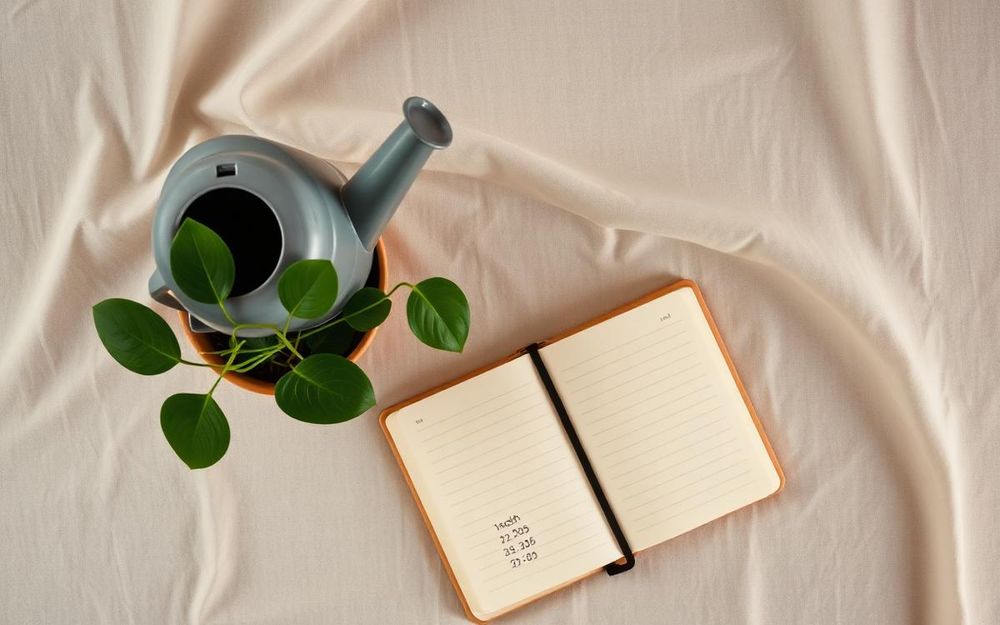
It isn't a chore list. It's a record of what you did and what happened next: when you watered, when you fed, when you repotted, when a new leaf unfurled, when something started yellowing. That's it.
The magic is in what the record gives back. Plants respond slowly — a watering mistake in February shows up in March. Without notes, you never connect the two. With notes, the pattern is right there.
The benefits, honestly
It stops the over/under-watering guessing game. Overwatering is the single most common way houseplants die, and it's almost always a memory problem rather than a knowledge problem. A dated log turns "I think it's been a while?" into a fact.
You catch problems while they're still small. When you photograph a plant every few weeks, drooping, pale leaves and stalled growth become obvious. Comparing today to six weeks ago is far more honest than comparing today to your memory of today.
Seasons stop surprising you. Your flat in July and your flat in January are two different climates. After one full year of notes you'll know that the calathea needs water twice as often in summer, and that everything should be left alone in the dark months.
Repotting and feeding become predictable. "Last fertilised: 5 weeks ago" is a much better prompt than a vague guilt that you should probably do something.
It records what your home does to plants. Generic care advice is written for an average window that nobody owns. Your journal is care advice written specifically for your light, your radiators, your habits.
It makes plant care enjoyable instead of guilty. This one matters most. A journal turns care from a nagging to-do into a visible story of things you kept alive.
What's worth writing down
You don't need much. Five fields cover almost everything:
| Field | Example |
|---|---|
| Date | 12 March |
| Plant | Monstera "Gary" |
| Action | Watered · 400 ml |
| Notes | Soil still slightly damp 2 cm down |
| Photo | New leaf opening |
If you only ever log watering and a monthly photo, you'll still be ahead of ninety percent of plant owners.
Why paper journals quietly fail
Paper is lovely and paper is honest. It is also in the other room when you're holding a watering can, it can't remind you of anything, it can't hold photos, and it can't tell you at a glance which of your twenty-three plants is thirsty today.
The habit isn't the problem. Friction is. A journal only works if logging takes three seconds, from wherever you're standing.
Why Planthead is the right tool for this
Planthead is a plant care journal built for exactly this behaviour — a phone in one hand, a watering can in the other.
- One tap to log watering. Every plant keeps a dated care timeline, so "when did I last water this?" is never a guess again.
- A photo growth log. Add a picture whenever you like and scroll back through months of growth on one screen. This is the part people don't expect to love and then love the most.
- Shelves for rooms. Group plants by shelf or room — bedroom, kitchen window, the greenhouse corner — so your jungle stays navigable as it grows.
- Thirsty reminders. Gentle notifications when something is due, not a wall of red overdue tasks.
- AI plant identification. Point your camera at the mystery plant from the supermarket and start its journal with a name and a care baseline already filled in.
- Quests and badges. Small, cosy challenges that make consistency feel like a game instead of homework.
- A community that gets it. Share a new leaf, ask what's wrong with a yellowing tip, cheer someone else's propagation. Plants are more fun with witnesses.
- On Android and the web. Install it from Google Play or just open it in the browser — your journal syncs either way, and works offline when your greenhouse has bad signal.
How to start today (three minutes, honestly)
- Add your three most-loved plants. Not all of them. Three. Snap a photo of each — that's day one of the growth log.
- Log a watering the next time you water. One tap. Do this twice and the habit is already forming.
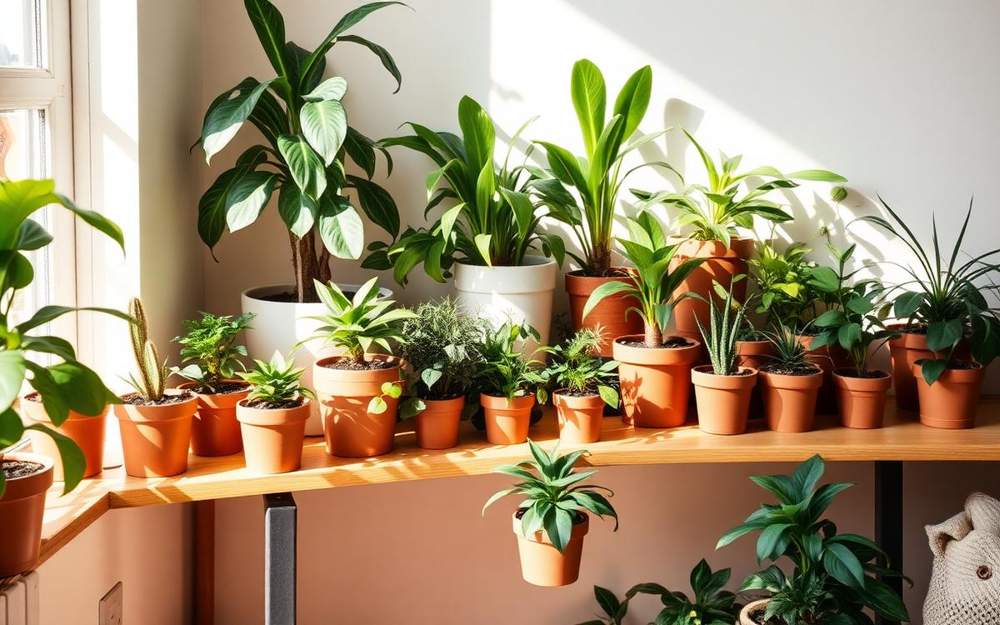
- Put them on shelves once you pass ten plants. Bedroom, living room, that shelf by the window that gets suspiciously good light.
Within a month you'll have something you didn't have before: evidence. Within a year you'll have a plant care manual written specifically for your home — and a photo archive of every leaf you've grown.
If you want the longer walkthrough, read How to Use Planthead. If something is already turning yellow, start with Why Do My Plant's Leaves Keep Turning Yellow? instead.
FAQ
How often should I write in a plant care journal?
Only when you do something — water, feed, repot, prune — plus a photo every few weeks. There is no daily writing requirement, and skipping a week doesn't break anything.
Is a plant care journal worth it if I only have a few plants?
Yes, and it's the easiest time to start. Habits built at five plants still work at fifty; habits started at fifty rarely get built at all.
Is Planthead free to use?
Yes. You can journal, log watering, upload photos, organise shelves and join the community for free. Premium adds extra perks for people who want to support the app.
Your plants can't tell you what they need. A journal is how you let them.
Keep reading 🌿
Grow with Planthead 🌱
Track watering, log growth, earn badges. The app for accidental jungle owners.
Open the app